What Is Aerospace NDT Inspection? A Guide for Kentucky Manufacturers

Aerospace parts must meet strict quality expectations. A small crack, void, inclusion, or weld flaw can create major problems later in production, delivery, or service.
Aerospace NDT inspection Kentucky helps manufacturers inspect parts without cutting, breaking, or damaging them. NDT stands for nondestructive testing. It allows qualified technicians to evaluate materials, welds, parts, and assemblies while keeping the part usable when conditions allow.
For Kentucky manufacturers, this matters. Kentucky is home to more than 100 aerospace-related facilities that employ over 23,000 people. The state also exported nearly $19 billion in aerospace products and parts in 2024. (ced.ky.gov)
This guide explains what aerospace NDT inspection is, which methods are commonly used, why Ultrasonic Testing matters, and when Kentucky manufacturers should request inspection support.
Need aerospace NDT inspection in Kentucky?
Contact TN NDT for certified inspection support.
What Is Aerospace NDT Inspection?
Aerospace NDT inspection is the use of non-destructive testing methods to check aerospace parts, materials, welds, and assemblies without destroying the item being inspected.
It helps manufacturers look for issues such as cracks, porosity, voids, inclusions, corrosion-related damage, thickness loss, lack of fusion in welds, and surface or subsurface discontinuities.
NDT is common in aerospace because many parts are expensive, precise, and quality-sensitive. Manufacturers need reliable ways to inspect part quality without scrapping every inspected item.
ASNT describes NDT as a field focused on checking structures and systems for safety and reliability. (ASNT)
In simple terms, aerospace NDT helps answer one important question:
Can this part move forward with confidence, or does it need more review?
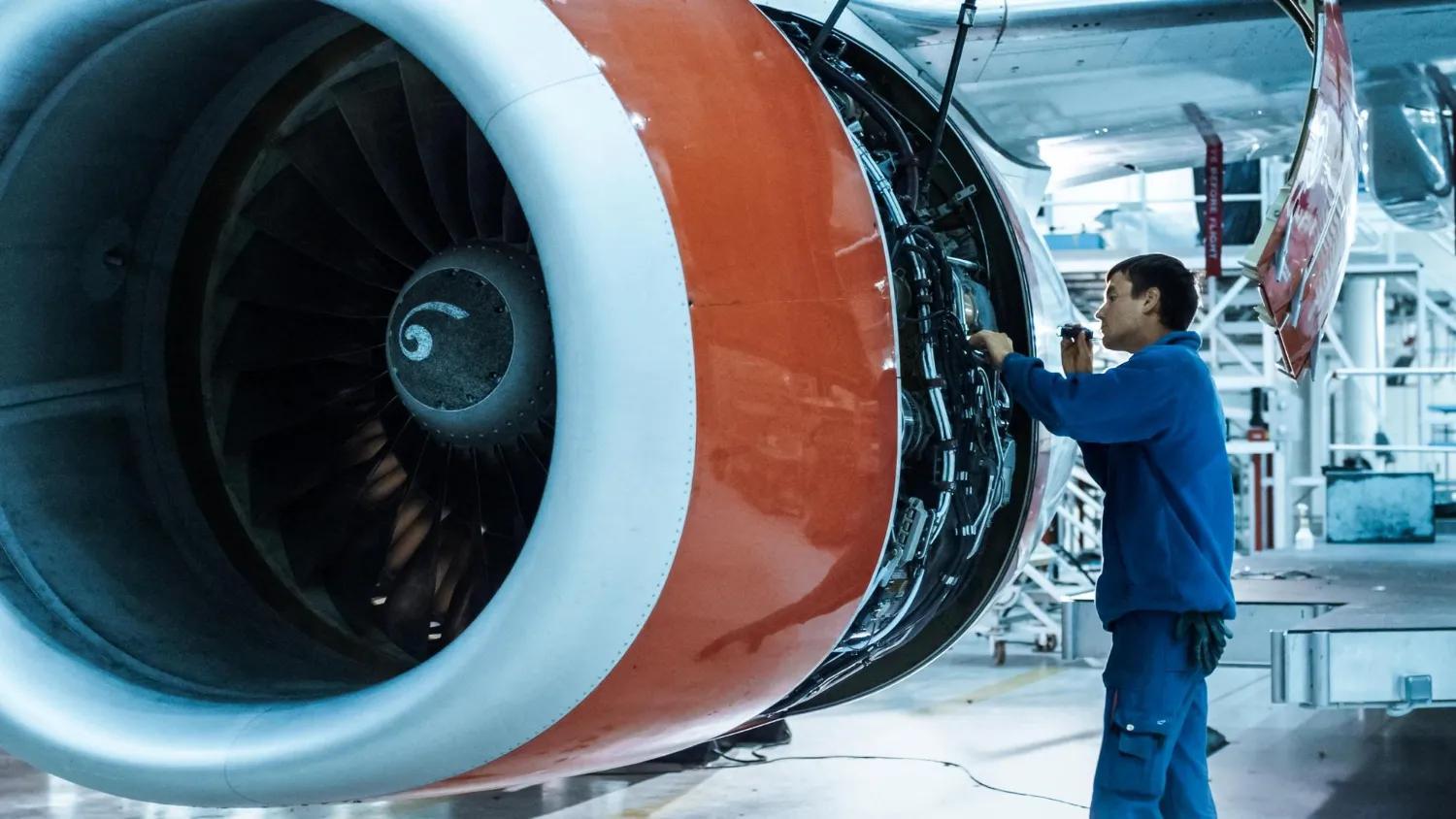
Why Kentucky Manufacturers Use Aerospace NDT Inspection
Kentucky has a strong aerospace and advanced manufacturing base. Many local suppliers support aerospace, defense, machining, fabrication, and precision manufacturing work.
For these companies, NDT can help reduce risk before parts reach customers.
Aerospace NDT inspection may support:
- Production quality checks
- Supplier documentation
- Weld inspection
- Part verification before shipment
- Repair decisions
- Customer-required inspection records
- Third-party review
- Internal QA programs
Small flaws can lead to rework, rejected parts, delayed shipments, and customer concerns. NDT gives QA teams better information before those issues grow.
Common parts and components that may need inspection include machined aerospace components, welded assemblies, brackets, supports, precision metal parts, structural components, pipe or tube assemblies, defense-related parts, and repaired components.
The right inspection method depends on the material, part shape, access, suspected defect, and customer requirement.
Common Aerospace NDT Inspection Methods
Different NDT methods find different types of flaws. No single method is best for every part.
| NDT Method | Best For | Common Aerospace Use |
|---|---|---|
| Ultrasonic Testing | Internal flaws and thickness checks | Welds, forged parts, machined parts |
| Liquid Penetrant Testing | Surface-breaking cracks | Non-porous metal components |
| Magnetic Particle Testing | Surface and near-surface flaws | Ferromagnetic steel parts |
| Visual Inspection | Workmanship and visible damage | Welds, fit-up, surface condition |
TN NDT supports multiple inspection methods, including Ultrasonic Testing, Liquid Penetrant Testing, Magnetic Particle Testing, and Visual Inspection.
Why Ultrasonic Testing Is Important for Aerospace Parts
Ultrasonic Testing, or UT, is one of the most useful NDT methods for many aerospace and precision manufacturing applications.
UT uses sound energy to evaluate materials. The equipment analyzes returning signals to help identify internal conditions that are not visible from the surface.
UT may be used for:
- Internal flaw detection
- Weld inspection
- Thickness checks
- Material integrity checks
- Subsurface discontinuity review
- Inspection of forged, machined, or welded parts
This makes UT valuable when a part looks acceptable on the outside but still needs internal review.
However, UT is not automatic for every aerospace part. Suitability depends on material, geometry, surface condition, access, thickness, and inspection criteria.
Learn more about Ultrasonic Testing.
What Defects Can Aerospace NDT Help Find?
Aerospace NDT helps manufacturers find defects that may not be obvious during a basic visual check. The right method depends on the material, part shape, suspected flaw, access, and acceptance criteria.
Cracks
Cracks can form from stress, fatigue, welding issues, handling damage, or service exposure. Surface cracks may be found with PT, MT, or VT. Internal cracks may require UT when the part is suitable.
Voids and Inclusions
Voids and inclusions can weaken a part even when the surface looks acceptable. UT is often useful when QA teams need to evaluate internal material conditions without cutting the part open.
Porosity
Porosity can occur in welds, castings, or certain manufactured parts. It may affect strength, sealing, or customer acceptance depending on the part and requirement.
Lack of Fusion in Welds
Welded assemblies may need inspection for incomplete fusion, poor bonding, or internal weld discontinuities. UT can help when internal weld quality needs review.
Delamination
Layered materials and certain composite structures may require specialized inspection for separation or bonding issues. The inspection method must match the material and part design.
Thickness Loss
Thickness loss may come from corrosion, wear, machining issues, or service exposure. UT thickness checks help teams measure remaining material without damaging the part.
Surface-Breaking Discontinuities
Some flaws are open to the surface but difficult to see with the eye. PT, MT, and VT can help identify surface-breaking discontinuities before parts move forward.
No single NDT method finds every defect. A qualified inspection provider should help choose the right method based on the inspection goal.

When Should a Kentucky Manufacturer Request Aerospace NDT Inspection?
A manufacturer may request aerospace NDT inspection at several points in the production or repair process.
You may need NDT when:
- Parts are ready for shipment
- A customer requires inspection documentation
- Welding or fabrication is complete
- A visual concern appears during QA
- A part has suspected stress, fatigue, or impact damage
- A supplier qualification process requires records
- Repair approval depends on inspection findings
- A production batch needs verification
- A third-party inspection is required
NDT is especially helpful when teams need clear evidence before deciding whether to accept, repair, reject, or rework a part.
Need inspection before shipment?
Request aerospace NDT support from TN NDT.
What Should an Aerospace NDT Inspection Report Include?
Clear reporting is a major part of aerospace inspection. A useful report should help QA teams, production teams, and customers understand what was inspected and what was found.
Aerospace NDT reports may include:
- Part identification
- Inspection method used
- Inspection area or scan location
- Technician qualification
- Procedure or standard reference
- Equipment details when needed
- Findings and defect location
- Images, readings, or notes when applicable
- Acceptance notes when supplied by the customer
- Practical recommendations or next steps
The FAA’s AC 25-29 provides guidance for organizations and facilities performing nondestructive inspections. The FAA also notes that this advisory circular is not mandatory or regulatory in nature. (Federal Aviation Administration)
TN NDT provides clear, audit-ready documentation for inspection records, QA teams, and customer review.
Aerospace NDT Inspection for Welds, Components, and Assemblies
Aerospace NDT is not limited to one part type. It can support different stages of manufacturing, welding, fabrication, and repair.
Aerospace Weld Inspection
Welded aerospace-related parts may need inspection for surface and internal defects.
Common methods may include Visual Inspection for workmanship, Liquid Penetrant Testing for surface-breaking cracks, Magnetic Particle Testing for surface and near-surface flaws in ferromagnetic materials, and Ultrasonic Testing for internal weld concerns when suitable.
Weld inspection helps teams identify issues before assemblies move forward.
Aircraft and Aerospace Component Inspection
Manufacturers may use NDT for machined parts, brackets, housings, supports, pipe sections, and precision components.
Inspection can help verify material condition, detect discontinuities, and support customer documentation.
Third-Party Inspection for Aerospace Suppliers
Many suppliers need independent documentation for customer review, QA files, or production release.
Third-Party NDT Inspection can support manufacturers that need an outside inspection provider with clear reporting.
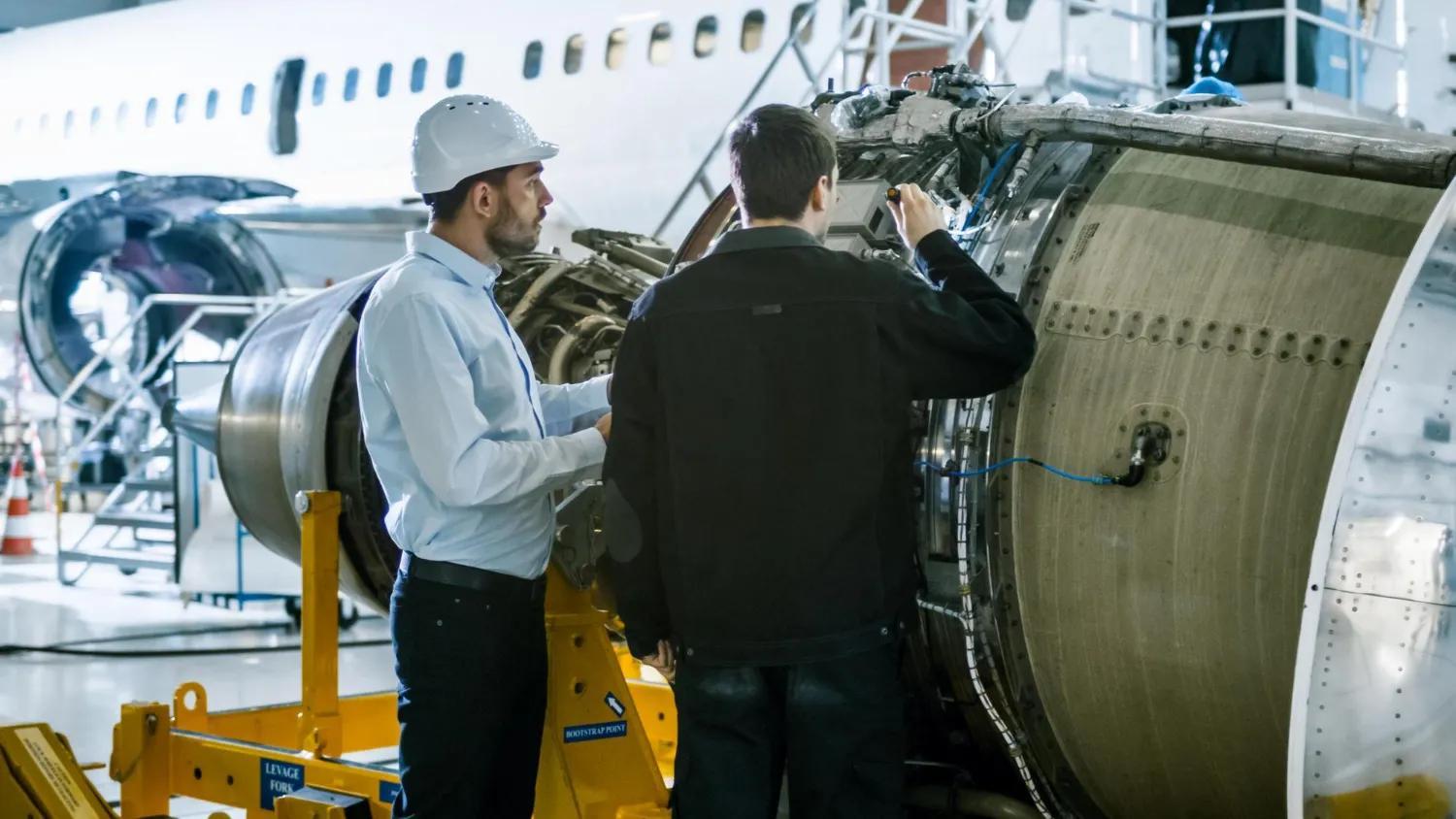
Who We Help Across Kentucky
TN NDT supports Kentucky manufacturers that need clear inspection results before parts move forward in production, shipment, repair, or customer review.
Kentucky’s aerospace supply chain connects with precision machining, defense work, automotive manufacturing, welding, fabrication, and advanced industrial production. That means many facilities need more than a basic inspection. They need the right method, clear documentation, and practical guidance for QA decisions.
We support teams in and around Louisville, Lexington, Bowling Green, Owensboro, Covington, and nearby industrial regions.
Common clients include:
- Aerospace suppliers producing machined or fabricated parts
- Precision machine shops serving aerospace or defense customers
- Welding and fabrication shops needing weld inspection
- Manufacturing plants with customer-required documentation
- QA teams reviewing parts before shipment
- Procurement teams needing third-party inspection support
- Maintenance teams evaluating repaired or stressed components
For parts that need internal review, Ultrasonic Testing may help. For surface-breaking flaws, Liquid Penetrant Testing, Magnetic Particle Testing, or Visual Inspection may be better options.
The TN NDT Difference: Inspection That Supports Real QA Decisions
Aerospace inspection is not just about finding defects. It is about helping teams make the next decision.
Should the part move forward?Does it need repair?Does it need another method?Is documentation ready for the customer?
TN NDT focuses on inspection work that supports those decisions. We help manufacturers match the method to the part, document findings clearly, and reduce confusion between production, QA, and procurement teams.
That is especially useful for Kentucky manufacturers serving aerospace, defense, machining, welding, and advanced industrial supply chains.
Why Choose TN NDT for Aerospace NDT Inspection in Kentucky?
Kentucky manufacturers need inspection support that is accurate, practical, and easy to document. TN NDT helps QA teams choose the right method, inspect the part correctly, and understand what the results mean.
Our advantage is not just certification. It is the combination of field inspection experience, method selection, clear reporting, and practical support for production teams.
TN NDT provides:
- ASNT-certified technicians for qualified inspection work
- SNT-TC-1A compliant procedures for consistent inspection practice
- UT, PT, MT, and VT support based on part condition and defect concern
- Third-party inspection options for supplier and customer documentation
- Audit-ready reports for QA files, customer review, and production records
- Practical recommendations that help teams decide whether to accept, repair, rework, or investigate further
- Kentucky service support for aerospace, defense, fabrication, machining, and industrial manufacturing teams
For Kentucky suppliers working across aerospace, automotive, defense, and precision manufacturing, this matters. Many parts move through tight production schedules. Clear inspection results can help reduce delays, avoid unnecessary rework, and support customer confidence.
Request Aerospace NDT Inspection → Contact TN NDT
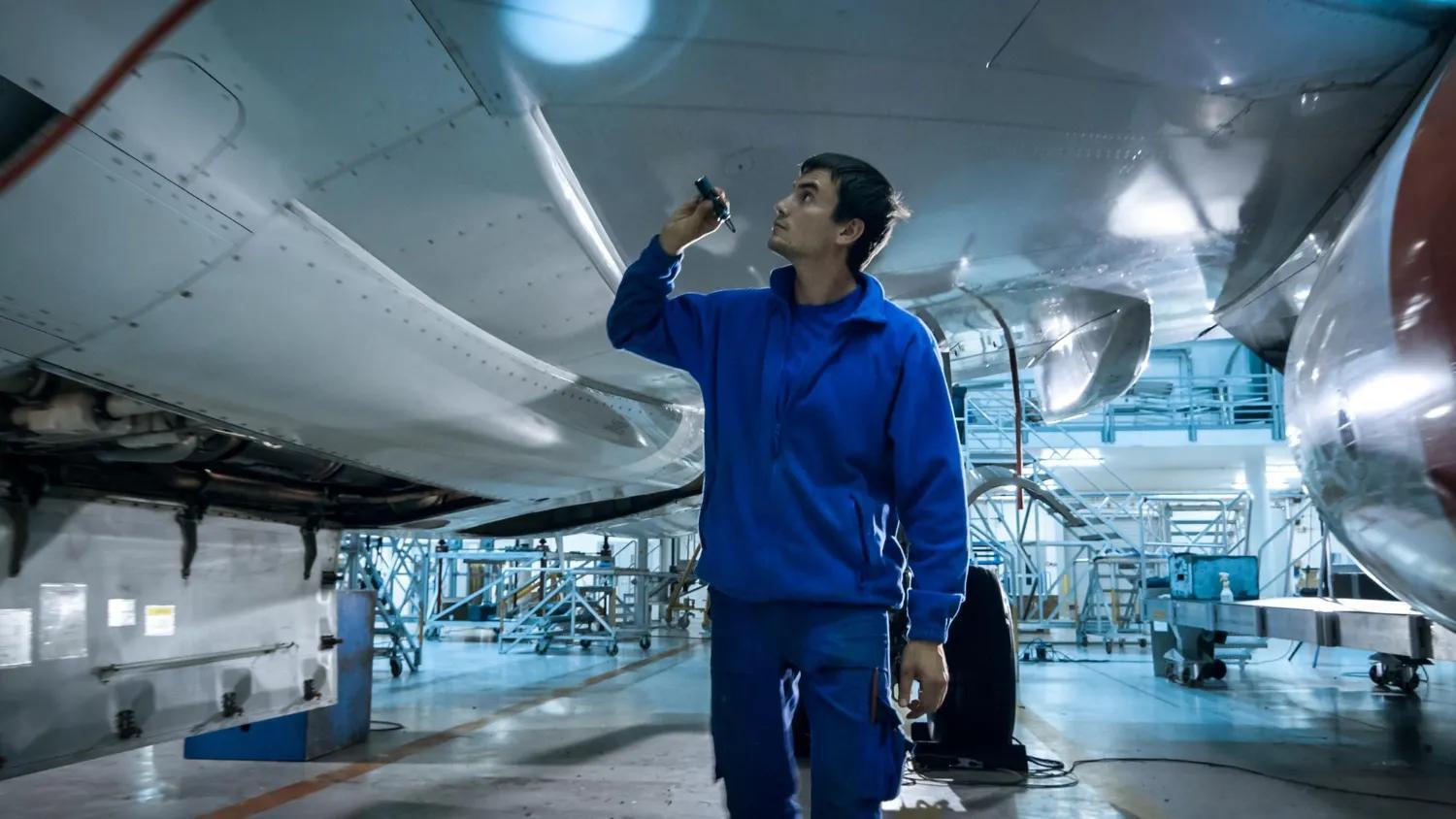
FAQs About Aerospace NDT Inspection in Kentucky
What is aerospace NDT inspection?
Aerospace NDT inspection checks aerospace parts, welds, materials, and assemblies without damaging the part. It helps detect flaws and supports quality control.
Which NDT method is best for aerospace parts?
It depends on the material, part shape, suspected flaw, access, and inspection requirement. UT, PT, MT, and VT are common methods.
Is ultrasonic testing useful for aerospace inspection?
Yes. Ultrasonic Testing is useful for internal flaw detection, weld inspection, and thickness checks when the part is suitable for UT.
Can NDT detect cracks in aerospace components?
Yes, but the right method depends on crack location and material. PT, MT, UT, and VT may all help in different cases.
Do Kentucky aerospace suppliers need third-party NDT inspection?
Many suppliers use third-party NDT inspection when they need independent documentation, customer-required inspection, or added QA support.
Does TN NDT provide aerospace NDT inspection in Kentucky?
Yes. TN NDT supports aerospace, defense, manufacturing, welding, and industrial clients in Kentucky.
Who provides aerospace NDT inspection in Kentucky?
TN NDT provides aerospace NDT inspection support in Kentucky, including UT, PT, MT, VT, and third-party inspection services.
What is the best NDT method for aerospace components?
There is no single best method for every component. The best method depends on the material, defect concern, part geometry, and acceptance criteria.
Need Aerospace NDT Inspection in Kentucky?
Aerospace NDT inspection helps Kentucky manufacturers make better QA decisions before parts move forward.
UT is often useful for internal flaws, weld concerns, and thickness checks. PT, MT, and VT may be better for surface or near-surface conditions.
TN NDT helps manufacturers choose the right inspection method and receive clear documentation for production, QA, and customer review.
Contact TN NDT today to schedule aerospace NDT inspection in Kentucky.