Chlorine Gas Feed System Maintenance: 5 Essential Checks
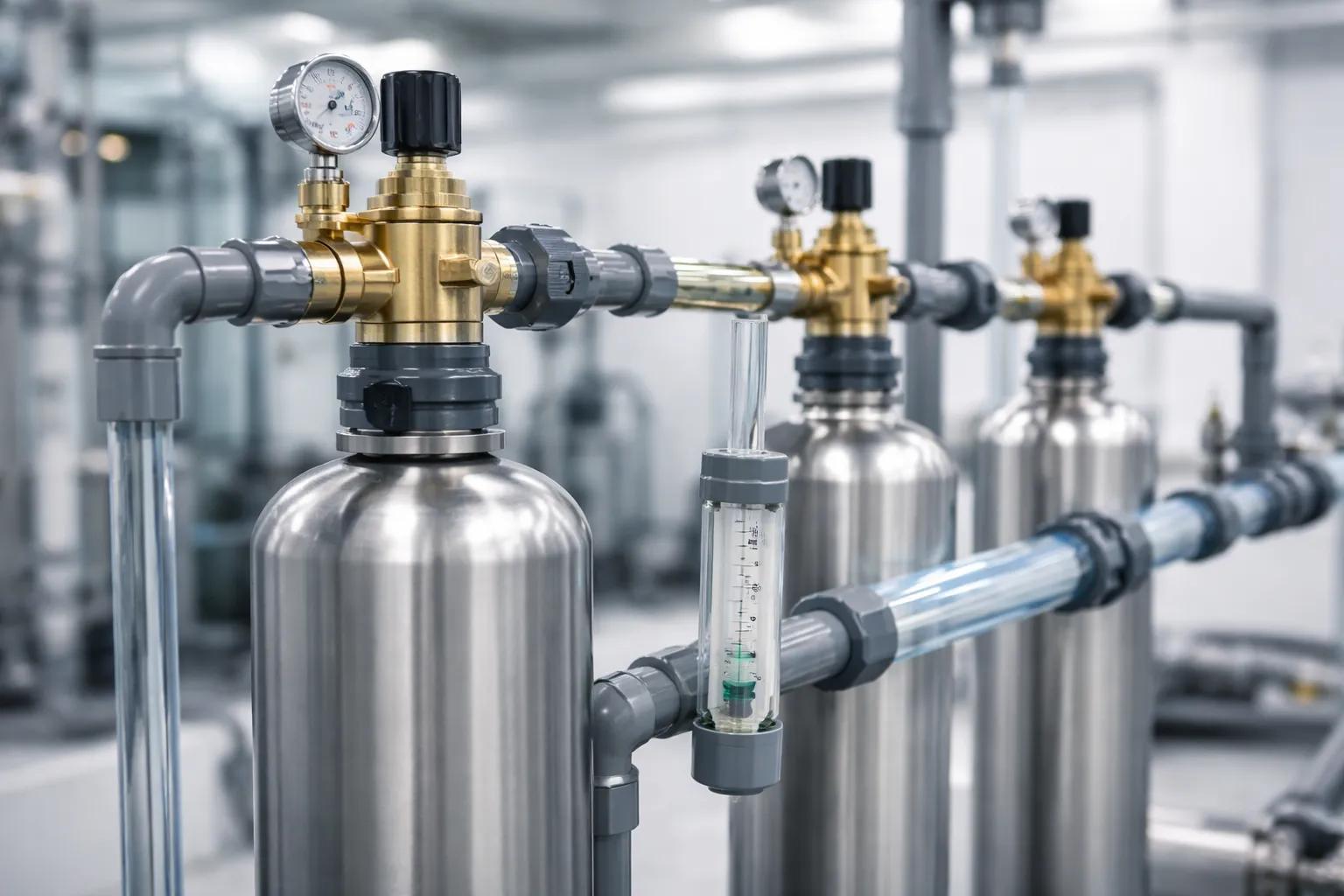
A chlorine gas feed system is a specialized assembly used in municipal water treatment and industrial cooling to deliver precise amounts of chlorine for disinfection. Because liquid chlorine instantly forms highly corrosive hydrochloric acid when exposed to ambient moisture, executing strict preventative maintenance is the only proven method to prevent hazardous leaks and unexpected facility downtime.
In our experience across Tennessee facilities, a reliable chlorine gas feed system serves as the heartbeat of safe water treatment.
Proactively maintaining this equipment is the only proven way to prevent unexpected downtime. Routine care keeps your chemical metering pumps running smoothly and ensures consistent dosing.
Let's explore how these systems work, common mechanical issues, and the essential maintenance checks every plant operator must master.
What type of chlorine gas feeder is most commonly used?
The Industry Standard
The most commonly used type in industrial facilities is the remote vacuum-operated gas feeder. Unlike residential erosion feeders that use solid stabilized chlorine tablets, industrial plants rely on drawing liquid chlorine that evaporates into gas.
The Built-In Safety Mechanism
This vacuum feed system is the absolute standard because of its inherent safety mechanism. Any pipe rupture or equipment failure immediately breaks the vacuum. This loss of vacuum automatically shuts off the gas supply. Ultimately, this design draws ambient air in during a leak rather than pushing toxic chlorine out. This protects your facility and personnel.
How does a vacuum-operated chlorine gas feed system work?
Understanding the Flow Path
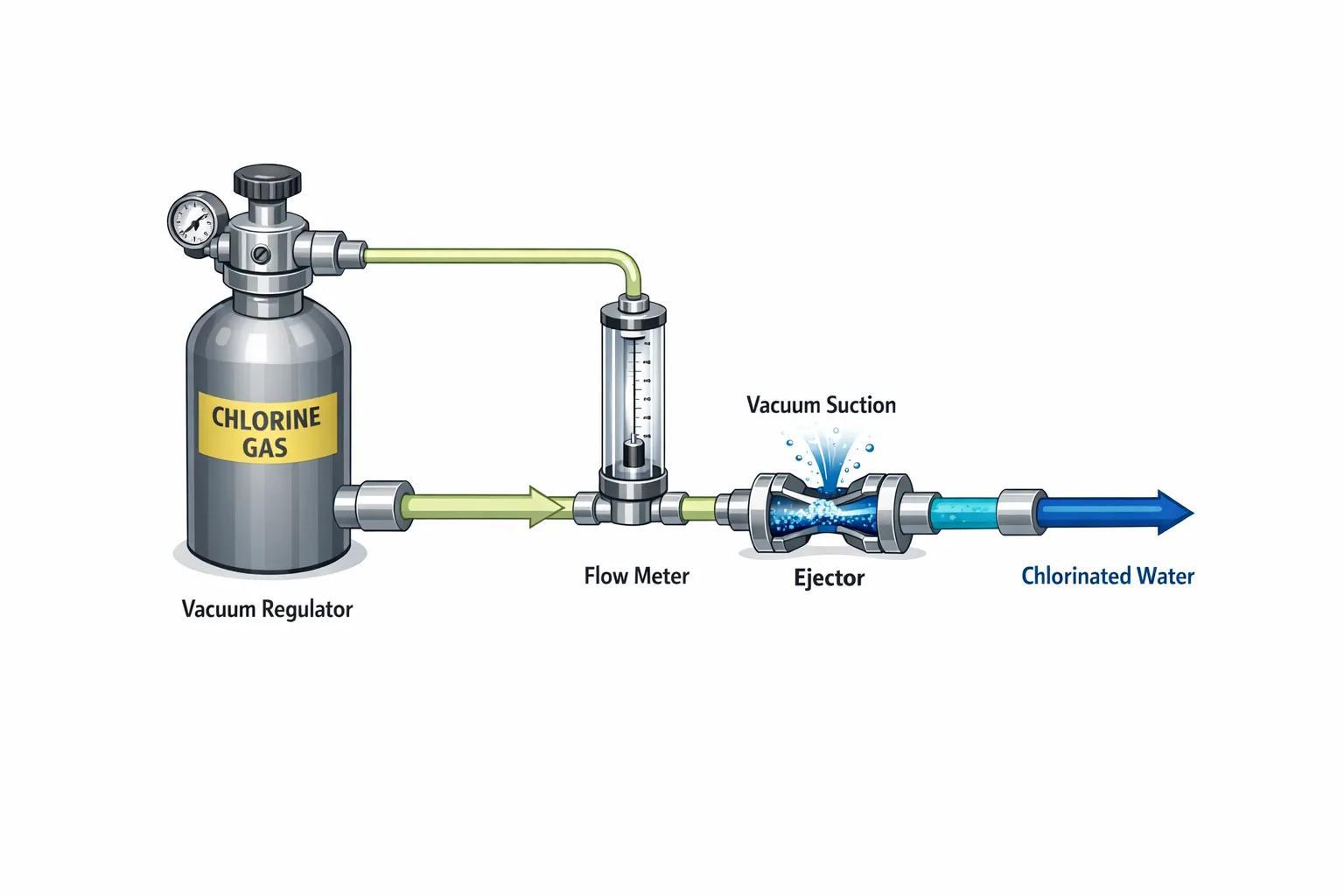
Understanding the flow path helps your maintenance team troubleshoot effectively. The system relies on a sequence of precise mechanical actions driven by fluid dynamics.
The Sequence of Operation
First, a motive water stream passes through an ejector. This Venturi device acts as the engine, creating a strong negative pressure. This vacuum prompts the vacuum regulator mounted on the storage cylinder to open. The chlorine gas then travels through a flow meter, allowing operators to verify the exact feed rate. Finally, the gas dissolves into the water stream at the ejector, creating a concentrated solution for the main process line.
What are the most common mechanical problems in operating environments?
Identifying Field Wear and Hidden Failures
Field technicians frequently encounter specific mechanical wear and hidden environmental failures. Identifying these issues early saves thousands in repair costs. Instead of assuming the entire system is broken, operators should look for these top specific points of failure:
Calibration Drift
This is a frequent field wear problem that causes inconsistent output. When your flow meter falls out of sync with your residual chlorine analyzer, your treatment process loses stability. This requires an expert Pump Calibration Tennessee to resolve.
Clogged Ejectors and Mineral Scale
A common hidden environmental failure is a clogged ejector. Mineral scale buildup physically reduces your overall vacuum strength, which directly lowers your chlorine feed rate.
Check Valve Failure (Moisture Intrusion)
If the check valve inside the ejector fails, motive water backs up into the gas lines. When this moisture meets the chlorine gas, it creates hydrochloric acid that eats the manifold from the inside out.
Blocked Atmospheric Vent Lines
Insects frequently build nests in exterior atmospheric vent lines. This physical blockage prevents the vacuum regulator from breathing and operating properly.
Motive Pump Wear
The associated booster pumps driving the water stream can experience bearing wear, fluid leaks, or excessive vibration, which disrupts the pressure required to generate the vacuum.
Troubleshooting Matrix
| Problem | Likely Cause | Operational Impact |
|---|---|---|
| Low feed rate | Mineral scale in ejector or clogged vent line | Weak dosing performance |
| Internal corrosion | Failed ejector check valve allowing moisture in | Complete system destruction |
| Gas Leaks | Degraded lead washers or loose connections | Immediate safety hazard |
| Inconsistent output | Calibration drift in chemical metering pump | Process instability |
Need more information? Visit Mechanical & Pump Services in Tennessee for fast mechanical troubleshooting and expert pump calibration or simply contact us for immediate support.
What is the 5-step preventive maintenance checklist?
Routine inspections extend equipment life and support flawless chemical dosing. Implement these five steps to maintain peak performance and avoid acid formation.
Verify Vacuum Integrity
Inspect all vacuum lines for micro leaks. Ensure the vacuum regulator fully closes when you shut off the ejector water supply.
Inspect the Ejector Check Valve
Remove the ejector nozzle to check for mineral scale and verify the check valve stops water from backing up into the gas line. Clean it thoroughly to maintain maximum vacuum strength.
Review Calibration
Compare the flow meter readings against your residual chlorine analyzer. Correct any calibration drift immediately to ensure compliance.
Examine Wear Components
Look closely at O-rings, gaskets, and lead washers during routine cylinder changeovers. Replace any brittle seals immediately to prevent leaks.
Test Emergency Equipment
Verify that continuous gas detection alarms work perfectly. Ensure your exterior atmospheric vent screens are clear of insect nests.
Bookmark this page for your maintenance team's next quarterly inspection. If you discover mineral scaling, moisture intrusion, or calibration drift during your checks, Contact TN NDT Services for immediate field support.
What are the signs your facility needs professional service?
Transitioning from Reactive to Preventive
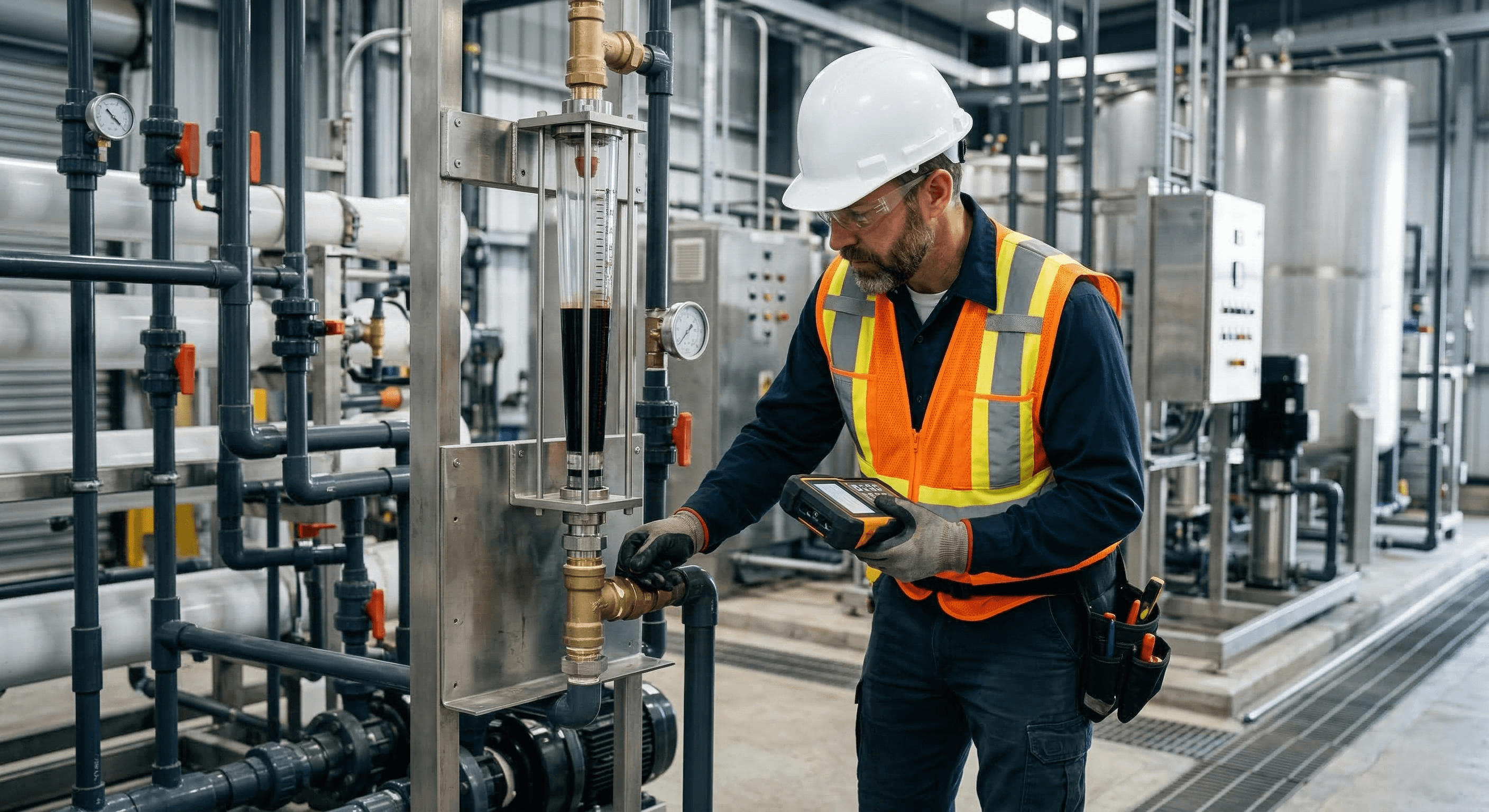
While in-house teams handle daily visual checks, some maintenance requires specialized tools and expertise. You should call a certified professional if you notice recurring leaks or severe external corrosion on your vacuum regulators.
The Cost of Inaction
Frequent manual adjustments also indicate that your chemical injection systems need expert pump calibration. Remember, reactive repair always costs more than planned preventive maintenance. Upgrading worn components proactively guarantees your system meets all regulatory standards without risking an emergency shutdown.
What are the critical safety and emergency protocols for feed rooms?
Handling chlorine gas requires strict adherence to safety guidelines set by the EPA and OSHA. To ensure your team remains safe and confident during maintenance or an emergency, your facility must implement these core safety protocols:
Floor-Level Ventilation
Because chlorine gas is heavier than air and sinks to the ground, feed rooms must utilize mechanical ventilation systems that exhaust directly near the floor.
External Emergency Kits
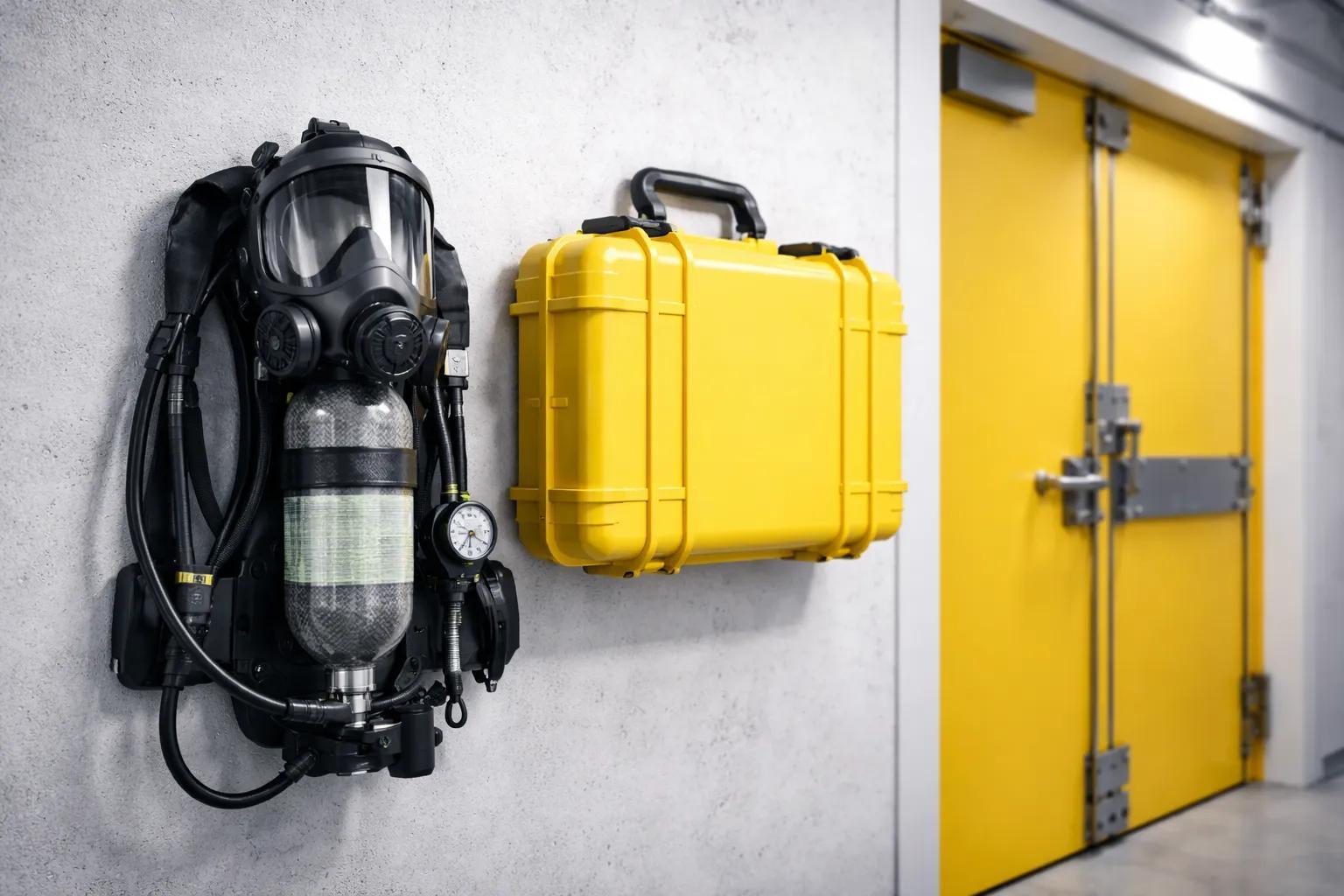
Never store repair kits inside the active feed room; keep them immediately outside the door. You must use Kit A for 150-lb cylinders and Kit B for ton containers.
Accessible SCBA Gear
Store a Self-Contained Breathing Apparatus (SCBA) in a secure, easily accessible exterior locker so operators can equip it before entering a contaminated room.
The Buddy System
Never perform maintenance alone. Always employ the buddy system when working with hazardous chemical injection systems to ensure an immediate response if a leak occurs.
Frequently Asked Questions
What is a chlorine gas dosing system?
It is a specialized mechanical assembly that uses a vacuum to deliver highly precise amounts of chlorine gas into a water supply for municipal water disinfection and industrial oxidation.
Can lungs heal from chlorine gas?
Yes. For previously healthy individuals, pulmonary function usually returns to pre-exposure levels within 7 to 14 days after an acute, minor exposure. Always utilize proper SCBA gear to prevent emergencies.
Does the US still use chlorine gas?
Yes. Industrial facilities across the US safely store and use chlorine gas for vital applications like water disinfection, wastewater treatment, and chemical manufacturing due to its unmatched cost effectiveness.
Ready to secure your facility?
Don't wait for a costly component failure. Contact TN NDT Services for expert inspection, preventive maintenance, and mechanical support for chlorine gas feed systems across Tennessee.