The Ultimate Guide to Preventive Maintenance for Chemical Metering Pumps
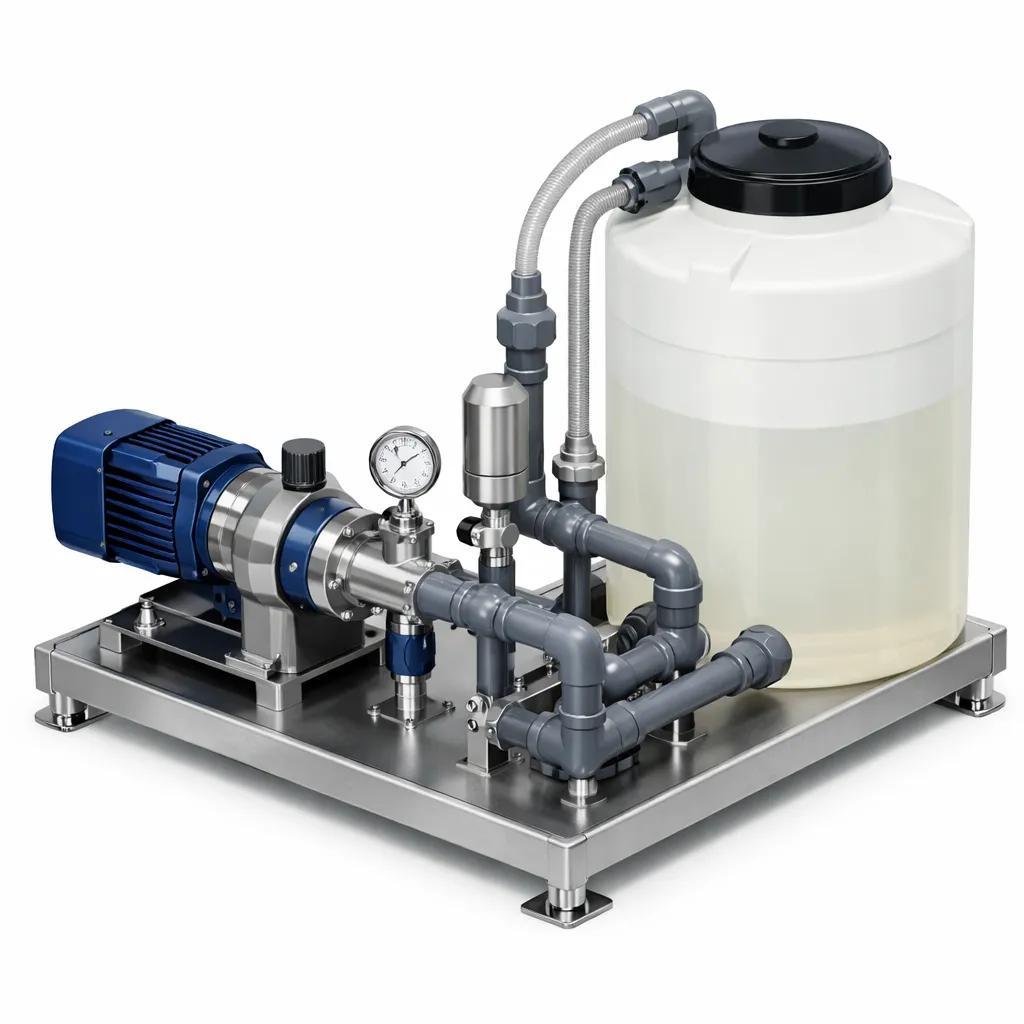
Unexpected pump failure can shut down an entire process line. In industries ranging from municipal water treatment to chemical manufacturing, executing proper preventive maintenance for chemical metering pumps is the heartbeat of operational safety and regulatory compliance.
Whether you operate systems manufactured by Iwaki America, Rotech Pumps, Madden Pump, Walchem / Maverick Pumps, or ProDos, the fundamental principles of chemical pump maintenance remain consistent. Because these systems handle highly corrosive, abrasive, and crystallizing agents under continuous pressure, a reactive approach is a massive financial and safety liability.
(Facing an unexpected shutdown? Get fast repairs and routine support with our Onsite Chemical Pump Service Tennessee).
What is Preventive Maintenance for Dosing Pumps?
Preventive maintenance for chemical metering pumps consists of a set of periodic actions aimed at maintaining the good condition of the dosing pump. This includes routine inspections, cleaning, lubrication, calibration, and the proactive replacement of diaphragms or pistons to prevent unexpected downtime and chemical leaks.
Diaphragm vs. Peristaltic Pumps: Understanding Wear Points
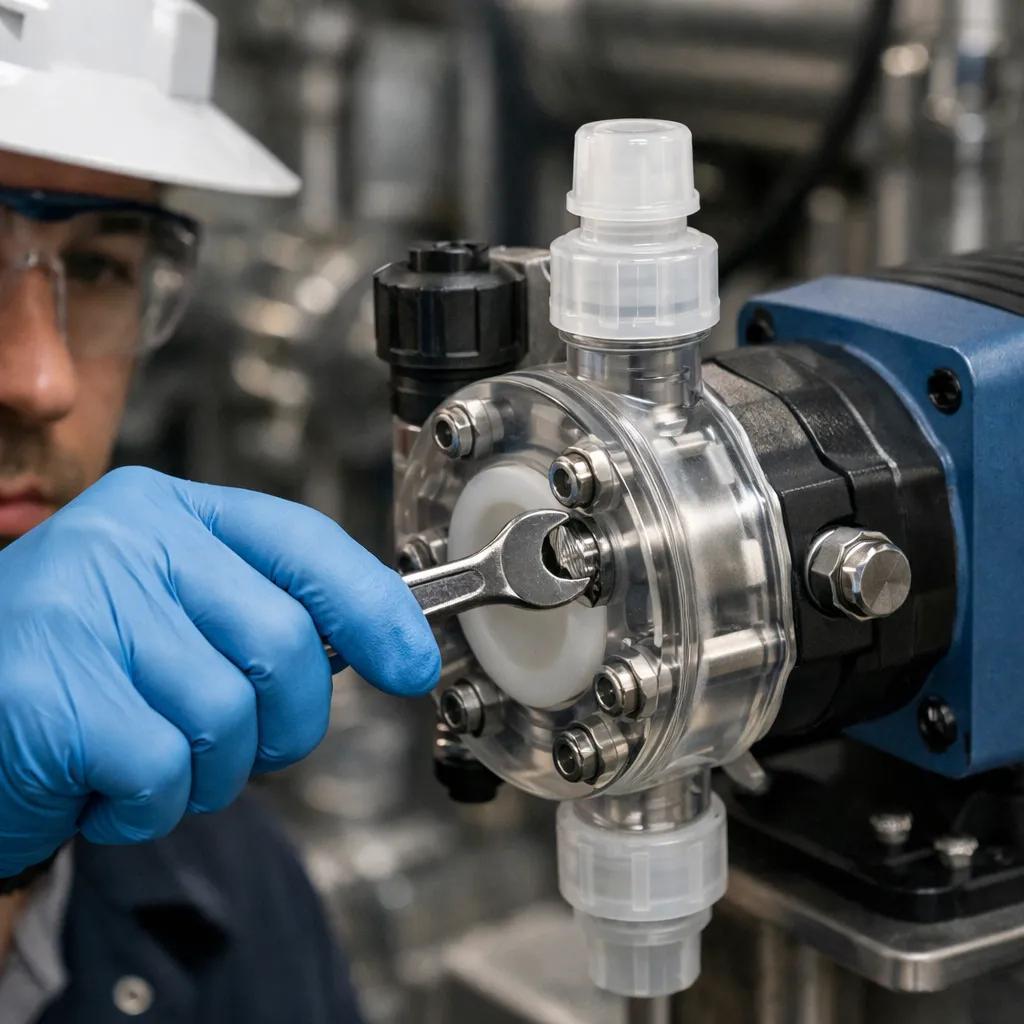
Not all metering pumps fail the same way. Diaphragm pumps and peristaltic pumps have differing wear points and maintenance needs based on their method of operation. Understanding these differences is the first critical step in effective dosing pump maintenance.
| Pump Type | Method of Operation | Common Wear Points | Maintenance Frequency Focus |
|---|---|---|---|
| Diaphragm Pumps | A flexible membrane pulses to draw and push fluid through valves. | Solution head, diaphragm, pistons, valves, strainers. | Quarterly valve cleaning; annual diaphragm replacement. |
| Peristaltic Pumps | A roller assembly squeezes fluid through a flexible hose. | Flexible inner tubing/hose, roller assembly. | Monthly inspections for tube embrittlement and leaks. |
4 Crucial Maintenance Steps for Dosing Pumps
To maximize the lifespan of your equipment, your facility must implement a strict preventative chemical pump maintenance checklist.
- Routine inspections and flushing
- Cleaning and lubrication
- Calibration and adjustment
- Diaphragm or piston replacement
Daily: Flushing Your Metering Pump
Corrosive residue causes damage to pump parts if not removed via flushing.
Every Day: Flush your metering pump system after the last run of the day to clean out residue and prevent components from being exposed to corrosive elements. Taking five minutes to run clean water through the system prevents severe fluid crystallization.
Monthly: Calibration and Lubrication
Even with regular flushing, normal mechanical wear causes the pump's output to drift. Once a month, verify the oil levels in your pump's gearbox (check oil regularly to prevent bearing friction) and grease any external mechanical linkages. Furthermore, always run a calibration check to ensure your digital settings match your actual chemical output. (Need professional verification? Schedule our Pump Calibration Tennessee).
Quarterly: Cleaning Valves and Strainers
Chemical deposits lead to clogging inside the valves.
Quarterly Action: Clean the valves every three months to avoid clogging from chemical deposits. If the agent crystallizes, increase cleaning frequency. Ensure you also pull and clean the suction strainers to prevent flow restriction, and schedule Injection Quill Service Tennessee to maintain safe insertion points.
Annually: Replacing the Diaphragm and Solution Head
At least once a year, you must safely remove the solution head and perform a proactive diaphragm or piston replacement. Do not wait for a catastrophic leak to learn how to check for a fatigued ruptured diaphragm.
Visible signs of wear include:
- Micro-tears or delamination on the diaphragm's surface.
- Flattened or pitted O-rings and seals.
- Abrasive scoring on the check valve seats or pistons.
Critical Safety & PPE Protocols
While competitors mention part replacements, it is vital to detail the safety/PPE protocols required before opening a solution head. Working on a pressurized line filled with corrosive residue is highly dangerous. You must wear a face shield and acid-resistant gloves and strictly follow Lockout/Tagout (LOTO) procedures to depressurize the system before exposing the liquid end. (For hazardous disinfection systems, rely on our Emergency Chlorine System Repair Tennessee).
Transitioning to Predictive Maintenance
Modern industrial facilities are shifting from a reactive "watchdog" mentality to a proactive "warrior" approach. While preventative measures rely on a calendar, predictive maintenance relies on real-time equipment health.
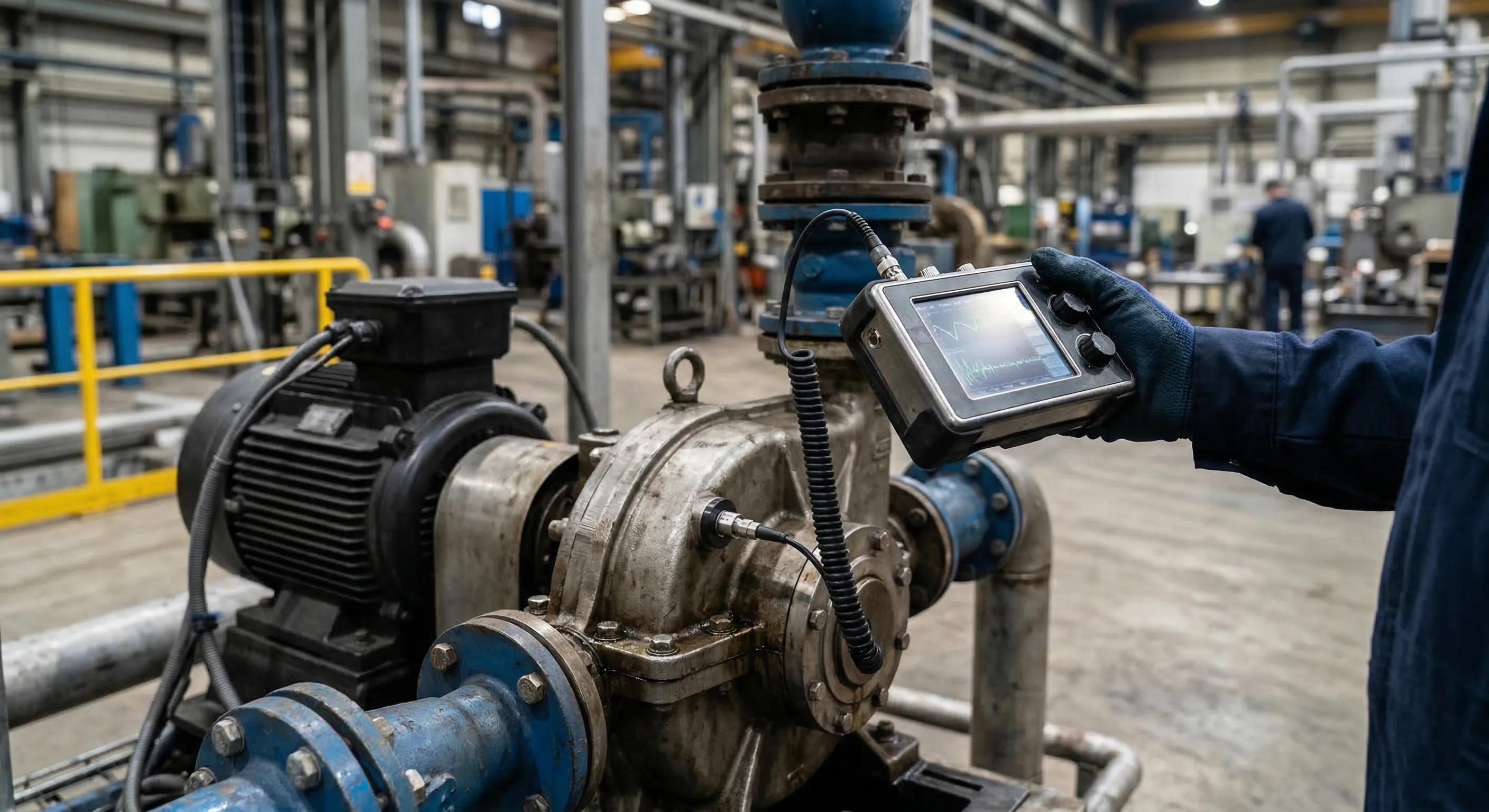
After completing any physical service, always run a calibration check and monitor vibration levels using a vibration analyzer. By tracking these metrics, you can detect microscopic changes in the pump's motor bearings and gear assembly weeks before a failure occurs.
Frequently Asked Questions
How often should I clean the valves on a metering pump?
You should clean the valves every three months to avoid clogging from chemical deposits. If the agent crystallizes, increase cleaning frequency.
How do you flush a chemical dosing pump?
Flush your metering pump system every day after the last run. This cleans out residue and prevents internal components from being exposed to corrosive elements.
What are the signs of a ruptured diaphragm?
The primary signs of a fatigued ruptured diaphragm include fluid leaking from the weep hole, sudden pressure drops, and chemical residue buildup inside the solution head.
What are the maintenance steps for dosing pumps?
Essential maintenance includes routine inspections, cleaning and lubrication, calibration and adjustment, system flushing, and proactive diaphragm or piston replacement.
Why is my chemical pump clogging?
Chemical deposits and crystallizing agents lead to clogging inside the valves. Corrosive residue causes damage to pump parts if not removed via daily flushing.
Ready to secure your process line?
Ensure your facility operates flawlessly and never falls behind on preventive maintenance for chemical metering pumps. Contact TN NDT Services for comprehensive Water Treatment Chemical Pump Services or compliance-focused Wastewater Chemical Feed Repair today.